

Press Release
While the Philippine workforce may appear largely positive, a closer look reveals the “silent struggles” many employees face: challenges that may not always be visible but can affect their well-being, engagement, and overall experience at work.
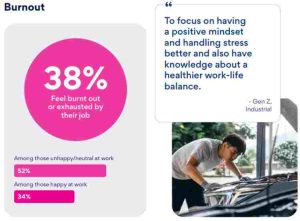
According to Jobstreet by SEEK’s Workplace Happiness Index: Philippines 2025, one in four employed individuals feels neutral or unhappy with their job, while 38% report experiencing chronic burnout. These findings shed light on the realities employees may be quietly navigating and highlight the need for employers to look beyond hiring in the evolving workforce landscape.
The ‘silent struggle’ behind positive workforce sentiment
With a sizable percentage of employees feeling burnt out or exhausted, employers need to look more closely at the factors affecting employee satisfaction and engagement.
Jobstreet by SEEK reveals that workload stress is a key contributor, with only 57% happy with their current workload and 42% saying that a better work-life balance would improve their happiness at work – second only to higher compensation. Yet, employees experiencing these hesitate to express and voice out their concerns, which eventually takes a toll on their well-being and productivity.
These overlooked challenges may not always immediately lead to resignation; however, the report suggests that they may lead to absenteeism and poor mental health outcomes, resulting in employees gradually losing motivation, becoming less engaged, or struggling with persistent fatigue while continuing to fulfill their responsibilities.
For employers, recognizing these “silent struggles” is an opportunity to take a more proactive approach to employee engagement. Jobstreet by SEEK encourages hirers to adopt a more intentional, people-centered approach to recruitment and retention, with an emphasis on career pathways, continuous development, and employee well-being.
Employers can help build stronger relationships by communicating clear job expectations, reinforcing consistent mentorship, and providing career growth opportunities. These offer greater stability and security for workers who may feel financial pressures or uncertainty about their career progression.
Equally important is fostering a workplace culture that prioritizes mental well-being, work-life balance, and open communication through regular check-ins, helping employees feel valued and supported as they grow in their roles. Cultivating an environment where every silent struggle is heard creates a thriving workplace.
Similarly, organization-wide appreciation systems and team-bonding initiatives help bridge the gap for employees quietly experiencing burnout or isolation. Regularly recognizing individual contributions and building strong peer-support networks reinforces a sense of belonging, ensuring team members feel genuinely acknowledged and connected beyond their daily tasks.
“This report serves as the voice of our Filipino talent experiencing ‘silent struggles’ in their workplace. In the same way, we hope to assist hirers in strengthening employee morale and retention by helping them understand the value of a compassionate, human-centered approach to hiring—not only for the candidates but also for the long-term success of their organizations,” said Dannah Majarocon, Jobstreet by SEEK’s Managing Director in the Philippines.
Addressing these “silent struggles” at the onset means looking beyond just recruitment, as long-term engagement depends on the support, opportunities, and workplace experience employees receive throughout their journey.


